
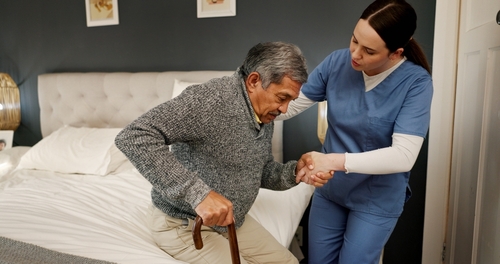
Recovering from surgery can be challenging, particularly for older adults or anyone who needs additional support with everyday activities. While leaving hospital is an important milestone, the recovery process often continues for several weeks or longer.
Home care after surgery provides practical assistance, personal care and emotional support while someone recovers in familiar surroundings. Depending on individual needs, this might involve help with washing and dressing, preparing meals, supporting mobility or arranging specialist nursing care.
Understanding the different types of post operative care can help patients and family members prepare for a safer, more comfortable recovery at home.
What Is Home Care After Surgery?
Home care after surgery refers to the support someone receives in their own home following a surgical procedure. It can be short term support during the initial recovery period or more comprehensive assistance following major surgery.
Post operative home care can involve several services, depending on the patient’s condition and instructions from their medical team.
These may include:
- Personal care, including bathing, dressing and toileting
- Meal preparation, shopping and light housework
- Supporting mobility and everyday activities
- Medication reminders and agreed medication support
- Companionship and emotional support
- Nursing care for clinical needs, where required
- Assistance attending appointments
Postoperative care begins in hospital, where healthcare professionals monitor patients immediately following their operation. Once someone is ready for hospital discharge, appropriate support can continue at home.
The aim is to create a supportive environment that encourages independence while ensuring the individual has access to the help they need.
Why Is Post Operative Care Important?
The weeks following an operation can involve discomfort, tiredness and temporary limitations in mobility. Even previously independent individuals may find daily tasks more demanding during their recovery journey.
Appropriate postoperative care services can help people follow their recovery plan and manage everyday activities without unnecessary strain.
Supporting a Safe Recovery
Following surgery, patients may be advised to avoid lifting heavy objects, limit particular activities or use mobility equipment.
Practical support can reduce the need to undertake tasks that conflict with medical advice.
According to the NHS guidance on recovering from surgery, patients should follow their healthcare team’s instructions about returning to activity and gradually rebuilding strength.
The level of assistance required will depend on the surgical procedure, existing health conditions and how recovery progresses.
Maintaining Independence
Recovering in familiar surroundings allows people to retain elements of their normal routine.
Personalised care can encourage individuals to remain involved in everyday decisions and perform suitable activities independently.
Rather than taking over every task, carers can provide support where needed while helping individuals regain independence as their abilities improve.
Supporting Mental Wellbeing
Post surgery recovery can affect emotional well being as well as physical health.
Some people experience anxiety about their progress, frustration with temporary limitations or loneliness during an extended period at home.
Regular companionship, reassurance and practical assistance can make daily life more manageable. Family members can also provide valuable encouragement throughout the healing process.
What Types of Care Might Be Needed After Surgery?
Different operations require different levels of ongoing support. A personalised care plan should reflect the patient’s circumstances, clinical guidance and recovery goals.
Personal Care and Daily Living Assistance
Someone recovering from surgery may temporarily struggle with washing, dressing or getting safely to the bathroom.
Professional carers can provide discreet assistance while respecting personal preferences and dignity.
Support might also include preparing meals, shopping and maintaining a comfortable home environment.
For families requiring local assistance, Careline’s home care services include personal care, mobility support and help with everyday routines.
Medication Management and Pain Management
Pain management is an important consideration following many operations.
The medical team should explain which medication has been prescribed, when it should be taken and what side effects require attention.
Depending on the agreed care arrangements, trained carers may assist with medication reminders or authorised medication support.
However, decisions about medicines, changes to dosages and clinical pain management must remain with appropriately qualified healthcare professionals.
Wound Care and Specialist Nursing
Some patients require professional wound care, such as dressing changes, wound assessments or monitoring for potential infections.
These tasks should be performed by appropriately qualified professionals according to the patient’s clinical instructions.
Specialist nurses may also provide support with other medical needs following an operation.
Careline offers home care nursing alongside its wider care services, allowing families to enquire about appropriate clinical and non-clinical support.
Mobility and Rehabilitation
Supporting mobility can form an important part of post operative recovery.
Following a hip replacement or another major procedure, patients may need assistance using walking aids or moving between rooms.
A physiotherapist or occupational therapist can recommend exercises, equipment and adaptations appropriate to the individual’s condition.
A speech and language therapist may also be involved when a particular condition or surgical procedure affects communication or swallowing.
Carers can help people follow agreed daily routines, but rehabilitation exercises and clinical treatment should remain under the direction of relevant medical professionals.
How to Prepare Your Home for Recovery After Surgery
Preparing your home before an operation can make the transition from hospital more manageable.
Consider taking the following steps.
- Remove trip hazards. Clear loose cables, clutter and unsecured rugs from frequently used walkways.
- Arrange essential supplies. Keep prescribed medicines, necessary medical supplies and everyday essentials accessible.
- Prepare food. Stock up on groceries and arrange simple, nutritious meals.
- Plan assistance. Ask loved ones, family members or professional carers to help with tasks that may be difficult.
- Check mobility requirements. Discuss walking aids, bathroom equipment or other adaptations with an occupational therapist when appropriate.
- Confirm medical instructions. Make sure the patient understands their recovery plan, medication schedule and follow-up appointments.
Adequate hydration and a balanced diet can support general health during recovery. However, patients should follow any specific dietary or fluid restrictions provided by their healthcare team.
For those struggling with household tasks, Careline’s domestic services can help maintain a clean and comfortable living environment.
What Happens When Leaving Hospital?
Before hospital discharge, healthcare professionals should explain the next stages of recovery and identify whether additional support is required.
This may involve discussions with the patient, family members, nurses, therapists and other medical professionals.
A hospital discharge care plan can outline medication arrangements, mobility requirements, follow-up appointments and any ongoing assistance.
Care requirements may change as recovery progresses, so arrangements should be reviewed when necessary.
For further guidance on preparing to leave hospital, read our hospital discharge care plan guide.
What Complications Should You Watch for After Surgery?
Although many people recover without serious problems, it is important to recognise potential post surgery complications.
Warning signs can include:
- Increasing redness, swelling, discharge or worsening pain around a surgical wound
- Fever or feeling unexpectedly unwell
- New or increasing leg swelling or pain
- Unexpected bleeding
- Pain that is worsening rather than improving
- Difficulty breathing or chest pain
Symptoms do not always indicate a complication, but they should not be ignored.
Contact the hospital team, GP or NHS 111 if concerning symptoms develop, following the specific advice provided at discharge. Call 999 for severe breathing difficulties, chest pain or another medical emergency.
The NHS provides further information about recovery and warning signs after surgery.
Professional home care can provide reassurance and help someone recognise when they need medical advice, but it does not replace clinical monitoring or treatment.
How Long Is Home Care Needed After Surgery?
There is no standard recovery period for every operation.
Someone recovering from a minor procedure may need assistance for only a few days. Others may require several weeks of support or longer-term arrangements.
Factors that influence recovery include:
- The type and complexity of surgery
- Age and existing physical health
- Mobility before the operation
- Complications or additional medical conditions
- Availability of informal support
- Recommendations from healthcare professionals
As recovery progresses, the amount of assistance required may decrease.
Some individuals benefit from visiting care at agreed times each day. Others may need live in care, overnight support or more comprehensive arrangements.
The aim should be to match the care provided to the person’s needs rather than continuing assistance unnecessarily.
How Much Does Postoperative Care Cost?
Postoperative care cost varies according to the level, frequency and duration of assistance required.
A few short visits each week will usually involve a different overall cost from continuous care or specialist nursing support.
Factors influencing pricing can include the type of support, location, visit duration and whether clinical services are needed.
In Scotland, individuals may be eligible for certain publicly funded support depending on their needs and circumstances. Contact the relevant local council or Health and Social Care Partnership to discuss assessment and available options.
When arranging private care, request a clear explanation of the proposed services and associated charges.
How Careline Home Support Can Help
At Careline Home Support, we understand that returning home after surgery can bring both relief and uncertainty.
Our approach focuses on providing personalised support that respects each individual’s needs, preferences and independence.
With over 30 years of experience delivering care across Scotland, we provide assistance with personal care, mobility, domestic tasks and companionship, alongside nursing services for appropriate clinical needs.
Whether someone needs visiting care while regaining strength or more comprehensive ongoing support, our team can discuss suitable arrangements.
We also recognise the importance of emotional support during recovery. Our companionship care can help individuals feel less isolated while adjusting to temporary changes in their routines.
Careline provides home support across Glasgow, Edinburgh and Falkirk, with care arrangements tailored to individual circumstances.
Conclusion
Home care after surgery can make the transition from hospital to everyday life more manageable.
A combination of practical assistance, appropriate medical support and encouragement can help individuals recover in familiar surroundings while maintaining as much independence as possible.
Preparing the home, following clinical advice and arranging suitable care before discharge can all contribute to a safer recovery journey.
If you or a loved one requires additional assistance following surgery, contact Careline Home Support to discuss the available options.
Frequently Asked Questions
What is included in post operative home care?
Post operative home care may include assistance with washing, dressing, mobility, meals, medication support and household activities. Where clinical needs are identified, qualified healthcare professionals may provide specialist nursing or rehabilitation services.
Can you arrange postoperative care before leaving hospital?
Yes. Families can begin arranging private home support before hospital discharge. Discuss the expected care needs with the medical team and allow sufficient time for an assessment and appropriate arrangements.
Is live in care necessary after surgery?
Not always. Some individuals only require occasional visiting care, while others need more comprehensive support. The appropriate arrangement depends on mobility, health requirements, available family assistance and the recovery plan.
Can carers help with wound care and medication?
Trained carers may provide agreed medication support within their responsibilities and competence. Clinical wound care, prescribing and specialist treatment should be undertaken by appropriately qualified healthcare professionals.
Can home care support recovery after major surgery?
Yes. Home care can assist with daily activities, personal care and mobility while someone recovers from major surgery. Clinical treatment and rehabilitation should follow the instructions of the patient’s healthcare team.

Michael Mensah brings over seven years of experience as a Nutritionist, guided by a genuine passion for improving people’s wellbeing. His strong commitment to supporting others in living with dignity and independence led him into the care sector.
He began his journey at Careline Home Support as a Care Worker, progressed to Team Leader, then Assistant Care Co-ordinator, and now works as a Care Co-ordinator. In this role, he provides personalised, person-centred care that respects each individual’s needs, while upholding the highest standards of compassion, safeguarding, and respect.
For Michael, caregiving is not just a profession but a meaningful exchange rooted in empathy. He believes that just as nature supports itself, those who need help should be met by those ready to offer it. His work brings him a deep sense of purpose, and he is proud to help foster a team culture built on kindness, professionalism, and mutual support.


