
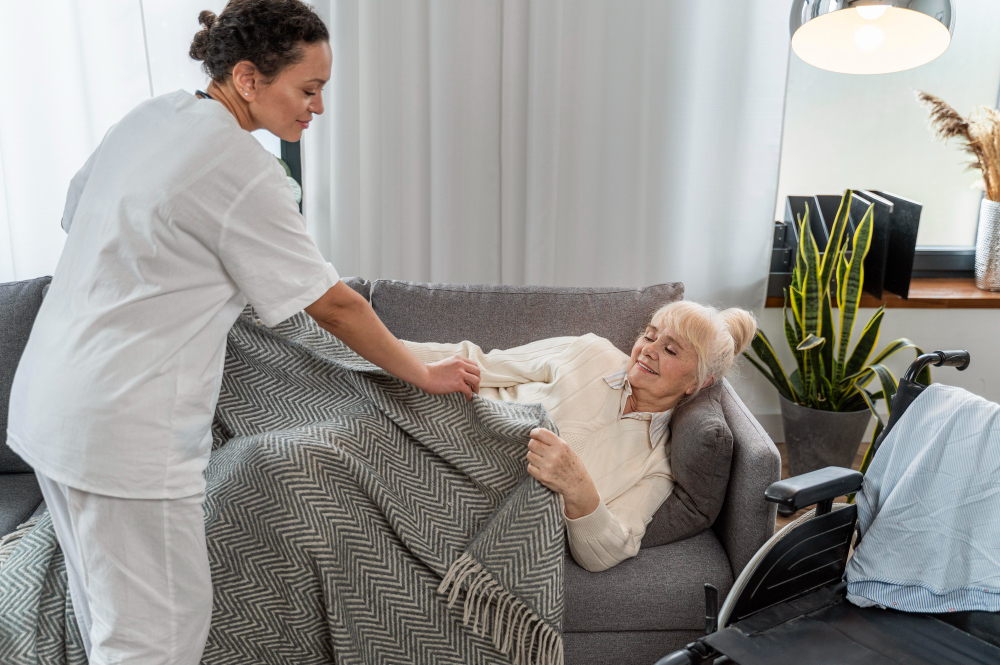
Weighted blankets for the elderly are becoming increasingly popular across the UK as families look for natural ways to help older adults sleep better, feel calmer and manage age-related health problems. As sleep disorders, anxiety, dementia symptoms, chronic pain and cognitive impairment become more common with age, simple tools that provide comfort and stability can make a meaningful difference. Research suggests that the use of weighted blankets may reduce stress, improve sleep quality and create a calming effect that supports overall well being.
This guide explores what weighted blankets are, how weighted blankets help sleep, why they may be beneficial for older people, the research behind them and what to consider when choosing one. Families looking for broader support may also find helpful services through options such as dementia care.
What Are Weighted Blankets?
Weighted blankets are therapeutic blankets filled with materials such as micro glass beads to create gentle, evenly distributed weight. They are different from a regular blanket because the added weight produces deep pressure, a soothing, grounding sensation similar to being hugged. This type of deep pressure therapy can help older adults feel safe, comforted and relaxed at night.
Weighted blankets are widely used to:
- improve sleep
- reduce anxiety
- help people fall asleep more easily
- support cognitive impairment
- reduce agitation in dementia
- reduce physical discomfort
- regulate sensory information
- promote calm during moments of stress
Older adults often benefit from simple sensory tools that help settle the mind and body, particularly when navigating health problems that affect sleep, comfort or emotional stability.
How Weighted Blankets Work: Deep Pressure Therapy Explained
Weighted blankets work by applying deep pressure therapy, also known as deep pressure stimulation. This involves consistent, gentle pressure across the body, which activates the parasympathetic nervous system and reduces physiological arousal. This calming effect encourages the body to relax more fully.
Research suggests that deep pressure therapy may:
- reduce heart rate
- lower cortisol (stress hormone)
- increase serotonin and melatonin
- stabilise breathing
- ease emotional distress
- help improve sleep quality
- provide reassurance for individuals experiencing confusion
The therapeutic effects of deep pressure are particularly valuable for older people who struggle with anxiety, cognitive impairment or disrupted circadian rhythms. Weighted blankets also provide sensory direct input, helping the brain organise sensory information more effectively.
Blankets are typically chosen based on a percentage of the participant’s body weight to ensure safety and comfort.
Are Weighted Blankets Good for Elderly People?
Weighted blankets can be highly beneficial for elderly people, especially those experiencing anxiety, pain, sleep disorders or cognitive decline. Research suggests that older people often experience a calming effect that contributes to better sleep, emotional balance and overall comfort.
Weighted blankets may help with:
Anxiety and emotional distress
Do weighted blankets help with anxiety? Many people find that consistent pressure lowers stress levels, reduces agitation and promotes calm.
Sleep disorders and insomnia
Weighted blankets help sleep by lowering physiological arousal and encouraging relaxation. Older adults who have difficulty falling asleep or staying asleep may experience improved sleep quality.
Cognitive impairment
Deep pressure may help reduce confusion, wandering and agitation, especially in individuals living with dementia.
Pain and discomfort
Many elderly people experience chronic pain, joint pain or severe pain. Weighted blankets may reduce tension and help ease discomfort through gentle pressure.
Mood
Improved sleep can positively affect mood, cognitive function and daily motivation.
For older adults needing more structured support alongside comfort tools like weighted blankets, families sometimes consider services such as 24 hour care at home.
Weighted Blankets and Dementia
Weighted blankets are increasingly used as part of dementia support routines due to their calming, grounding effect. People living with dementia often experience agitation, confusion and disrupted sleep. Weighted blankets may help regulate sensory information, reduce anxiety and promote rest.
Deep pressure may:
- reduce night-time wandering
- lower confusion
- ease agitation
- support emotional regulation
- contribute to better sleep patterns
- make older adults feel more secure
Weighted blankets do not replace tailored dementia care, but they may complement professional support. For individuals requiring round-the-clock reassurance or assistance, some families turn to live in care, ensuring continuous support throughout the day and night.
What Research Says About Weighted Blanket Use
Although more large-scale studies are needed, research suggests that weighted blankets can offer meaningful benefits for older adults. One open access article distributed under a creative commons attribution license found that weighted blankets had therapeutic effects among older adults living in a nursing home environment. During the study period, nursing staff observed that individuals using weighted blankets were calmer, less agitated and able to sleep more consistently.
The research process involved:
- structured data collection
- observation of behavioural changes
- monitoring physiological arousal
- evaluating sleep patterns
- assessing pain and discomfort
- analysing study results through formal data analysis
A small sample size study also indicated that weighted blankets may improve sleep quality and reduce anxiety for older adults with insomnia. The findings were consistent with growing research suggesting deep pressure therapy helps regulate emotional responses and physical tension.
Although weighted blankets are not suitable for every individual, research suggests they may contribute to reduced anxiety, improved well being and better quality of life for many older adults.
Weighted Blankets and Physical Health
Older adults frequently experience chronic pain, muscle tension, soreness and joint pain. When used safely, weighted blankets may help reduce discomfort, promoting relaxation and minimising night-time restlessness. They may also support emotional regulation, which is closely linked to physical health.
Weighted blankets should always be selected carefully, especially for older adults with mobility challenges or respiratory issues. For individuals requiring regular medical oversight at home, families may explore additional support through home care nursing.
How Weighted Blankets Improve Sleep
Weighted blankets improve sleep through several mechanisms related to deep pressure therapy and emotional regulation.
They reduce anxiety
Lower anxiety levels help older adults fall asleep more easily and remain asleep through the night.
They stabilise the nervous system
Deep pressure reduces physiological arousal, supporting a smoother transition into sleep.
They reduce restlessness
Older adults with sensory issues or cognitive impairment may experience less night-time agitation.
They regulate emotional responses
Calmer emotions contribute to a more restful sleep cycle.
For older adults with complex night-time routines or those who wake frequently, additional reassurance and overnight supervision may be helpful. Families often explore overnight care to support both safety and comfort during the night.
Are Weighted Blankets Safe for Elderly People?
Weighted blankets are generally safe for older adults when chosen properly. However, care should be taken in the following areas:
- the blanket must not be too heavy
- the person should be able to remove it independently
- it should not cause discomfort or overheating
- the blanket must allow safe movement in bed
- close monitoring is recommended for people with limited mobility
Weighted blankets are not recommended for individuals with certain respiratory issues, severe frailty or complex cardiovascular conditions.
Choosing the Right Weighted Blanket for an Older Adult
When choosing the best weighted blanket for elderly loved ones, consider:
Weight
Typically 8–12 per cent of body weight, but slightly lighter is often best for frail older adults.
Fill material
Glass beads provide smoother weight distribution and less noise than alternative fillings.
Fabric
Soft, breathable, washable fabric is ideal for comfort and hygiene.
Size
The blanket should cover the person, not the entire bed.
Maintenance
Consider how easy it is to wash, especially for individuals who may sweat or require frequent bedding changes.
The right blanket can help reduce stress, manage sensory needs, improve sleep and enhance overall well being.
Conclusion
Weighted blankets for the elderly can offer a simple but effective way to improve sleep, reduce anxiety, and support emotional stability. Their gentle pressure can help older adults feel safer, calmer and more relaxed, especially during the night. While they are not suitable for every individual, research suggests they may contribute positively to quality of life when used safely and consistently.
Combined with personalised support and compassionate care, weighted blankets can play a valuable role in promoting comfort and stability for older adults living at home.
If you need additional support creating a safe and comforting environment for a loved one, Careline Home Support offers a variety of services designed to support well-being, independence and dignity at home.

Michael Mensah brings over seven years of experience as a Nutritionist, guided by a genuine passion for improving people’s wellbeing. His strong commitment to supporting others in living with dignity and independence led him into the care sector.
He began his journey at Careline Home Support as a Care Worker, progressed to Team Leader, then Assistant Care Co-ordinator, and now works as a Care Co-ordinator. In this role, he provides personalised, person-centred care that respects each individual’s needs, while upholding the highest standards of compassion, safeguarding, and respect.
For Michael, caregiving is not just a profession but a meaningful exchange rooted in empathy. He believes that just as nature supports itself, those who need help should be met by those ready to offer it. His work brings him a deep sense of purpose, and he is proud to help foster a team culture built on kindness, professionalism, and mutual support.


