
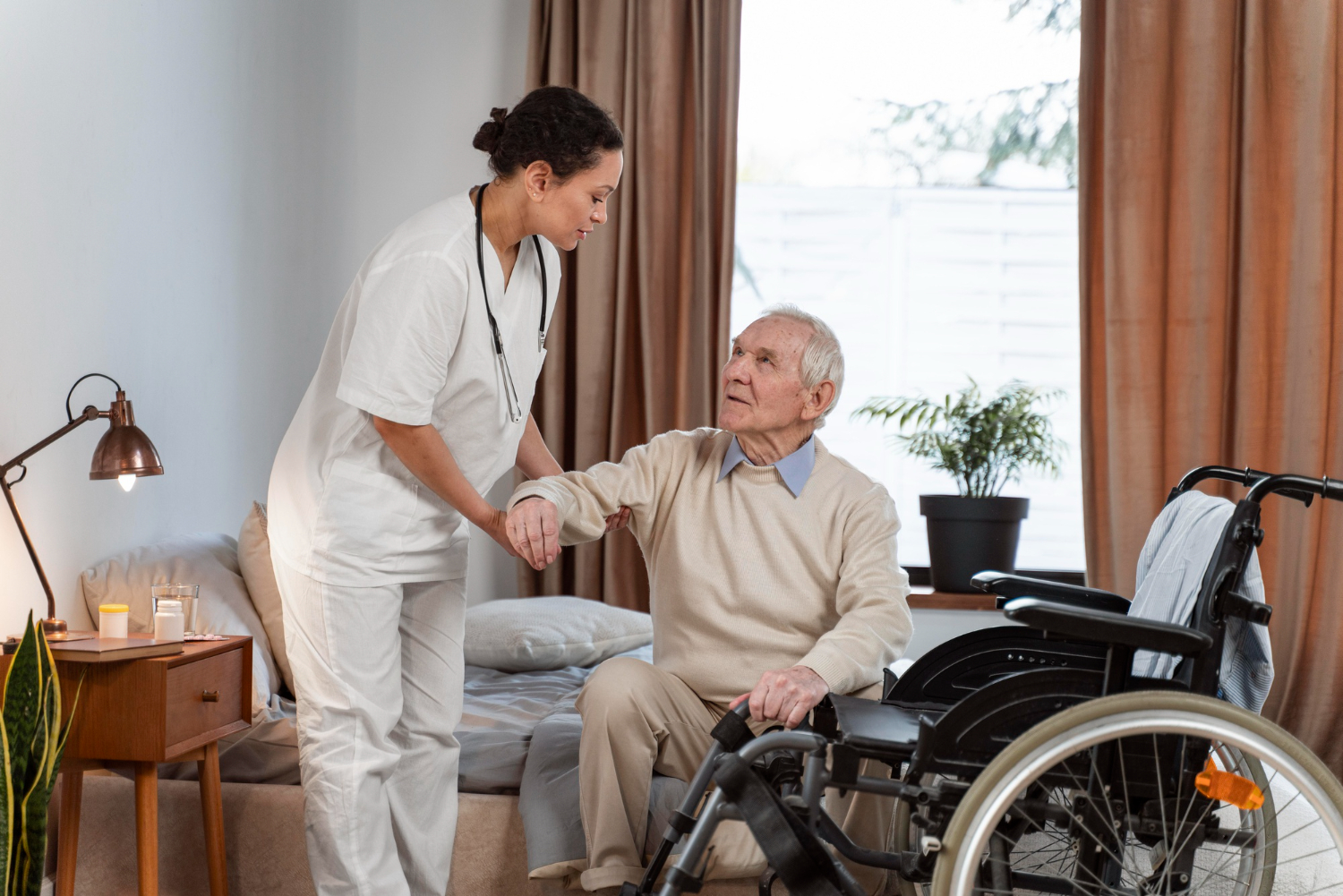
Deciding whether a loved one needs nursing home care is one of the most difficult decisions families face. It often comes at a time of uncertainty, emotional strain, and concern about safety, health, and long-term care arrangements. In the UK, understanding who nursing home care is designed for — and how it fits within the wider care system — can help families make an informed decision based on both need and quality of life.
For many older adults and people living with long-term medical conditions, the decision is not simply about accommodation. It is about access to the right level of nursing care, medical care, and ongoing supervision. In some cases, care delivered at home with professional input, such as home care nursing, may be appropriate. In others, a nursing home may be required to meet more complex or continuous needs.
This guide explains who typically needs nursing home care in the UK, the difference between a care home and a nursing home, how funding works, and when alternatives such as home-based care should be considered first.
Considering Home Care Nursing Before a Nursing Home
Before deciding that a nursing home is required, it’s important to understand that many people can continue living safely at home with the right level of care and clinical input. Home care nursing allows individuals to receive nursing care and medical support in familiar surroundings, without the disruption of moving into a care home prematurely.
This option can be particularly effective where medical conditions are stable but require regular monitoring, medication management, or professional oversight. With a structured care plan in place, home care nursing can delay — and in some cases prevent — the need for nursing home admission altogether.
What Is a Nursing Home and Who Is It For?
A nursing home is a type of care home designed for people who need ongoing nursing care alongside help with daily living. Unlike standard residential care, nursing homes typically have qualified nurses on site to deliver medical care and oversee residents’ health needs.
Nursing homes typically support people whose needs cannot be safely met through personal care alone. This may include individuals with complex medical needs, progressive conditions, or nursing needs that require continuous supervision.
Ongoing nursing and medical needs
People who need nursing home care often have medical conditions that require frequent intervention, observation, or treatment. This may include wound care, regular medication management, recovery following serious illness, or monitoring of long-term medical conditions.
The presence of registered nurses and qualified nurses on site allows changes in health to be identified early and addressed promptly, reducing the risk of avoidable hospital admissions.
Who typically needs nursing home care?
Nursing home care is commonly required by older adults with advanced health needs, but age alone is not the deciding factor. Individuals with severe physical disabilities, complex medical conditions, or advanced dementia may also require nursing care, regardless of age.
In these situations, having qualified nurses on site provides reassurance for families that appropriate care and nursing support is available at all times.
Permanent and temporary nursing home placements
Not all nursing home stays are permanent. Some people require a temporary stay following hospital discharge, surgery, or a sudden decline in health. In these cases, a nursing home can provide immediate care and stability while longer-term care arrangements are assessed.
The Difference Between a Care Home and a Nursing Home
Understanding the difference between a care home and a nursing home is essential when choosing the right setting for a loved one. Although both fall under care home provision, there are key differences in the services provided.
What a care home provides
A care home, often referred to as a residential care home, supports people who need help with daily tasks but do not require ongoing medical care. This includes assistance with washing, dressing, mobility, meal preparation, and maintaining routines.
Residential homes focus on personal care and day-to-day care and support, delivered by trained carers rather than nurses.
What makes a nursing home different
The main difference between a care home and a nursing home is the level of nursing care available. Nursing homes provide the same support as residential homes but also employ qualified nurses and registered nurses to deliver medical care and oversee health needs.
This makes nursing homes suitable for people whose conditions require specialist input or continuous monitoring.
Residential care and nursing care compared
Residential care may be suitable where needs are significant but stable. Nursing care is required where health needs are more complex or unpredictable. Many families move through both options over time as needs change.
Care Homes, Residential Care and Nursing Homes Explained
The term care home is often used broadly, but it covers different types of provision within the UK care system. Understanding these distinctions helps families make clearer comparisons.
A care home offers accommodation, meals, supervision, and personal care. Residential care homes focus on daily living needs, while nursing homes add medical care and clinical oversight.
Care home accommodation usually includes a private room, shared lounges, meals, and access to services provided on site. Residential homes and nursing homes both fall under social care, but nursing homes also work closely with NHS services.
Specialised care and nursing needs
Some people require specialised care due to complex medical needs, advanced dementia care, or severe physical disabilities. In these cases, nursing homes are better equipped to manage nursing needs safely.
Medical and Personal Needs That May Indicate Nursing Home Placement
A move into a nursing home is often driven by changes in health rather than age alone.
Complex health conditions
People living with complex medical needs or multiple medical conditions may require regular clinical oversight that cannot be delivered in residential homes. This includes conditions requiring frequent monitoring or specialist treatment.
Dementia and mental illness
Advanced dementia care or severe mental illness can increase risks around safety, medication, and daily functioning. Nursing homes provide structured environments and specialised care for these needs.
Physical disability and reduced independence
People with severe physical disabilities may need nursing care when mobility, breathing, or independence is significantly affected.
Paying for Nursing Home Care in the UK
One of the biggest concerns for families is who pays for nursing home care. Nursing home costs can be high, and funding depends on assessments and circumstances.
Assessments that determine funding
The first step is a needs assessment, followed by a financial assessment. These assessments determine whether care is funded by the NHS, the local authority, or paid privately.
When the NHS pays
If a person’s primary need is medical, they may qualify for NHS Continuing Healthcare. If approved, the NHS pays the full cost of nursing home care.
Some people may instead qualify for NHS funded nursing care, which is a weekly payment towards the nursing care component of fees.
When the local council pays
If NHS funding is not available, the local council assesses eligibility for local authority funding. The council pays some or all of the care home costs depending on income and savings.
Tariff income is used during the financial assessment to calculate contributions from savings.
Self funding and paying towards care
People who do not qualify for funding are classed as self funders. Self funding means paying for care privately. Over time, if funds reduce, the council may begin to contribute.
Top up fees may apply if a family chooses an expensive care home above the council rate. These extra costs are usually paid by a family member.
Benefits and financial help
Some people receive disability benefits or Attendance Allowance, which can help pay towards care costs. A personal expenses allowance is usually protected so residents retain some income for personal items.
Nursing Home Costs and Care Home Fees
Nursing home costs and care home fees vary depending on location, services, and level of care. Costs are usually charged weekly and include accommodation and care.
Care home costs vary depending on whether residential care or nursing care is required. Asking for a clear breakdown helps families plan and avoid unexpected extra costs.
Why Home Care Nursing Can Be the Right Alternative
For many people, nursing home admission happens earlier than necessary. Home care nursing offers a way to receive nursing care, medical care, and regular monitoring while remaining at home.
This approach allows care to be adjusted gradually and can support an informed decision about when — or if — residential care is required.
For some people, a nursing home will eventually be the right option. For others, home care nursing provides the right balance of independence, safety, and professional care for longer.
Get in touch with Careline Home Support today to see where we can help.

Michael Mensah brings over seven years of experience as a Nutritionist, guided by a genuine passion for improving people’s wellbeing. His strong commitment to supporting others in living with dignity and independence led him into the care sector.
He began his journey at Careline Home Support as a Care Worker, progressed to Team Leader, then Assistant Care Co-ordinator, and now works as a Care Co-ordinator. In this role, he provides personalised, person-centred care that respects each individual’s needs, while upholding the highest standards of compassion, safeguarding, and respect.
For Michael, caregiving is not just a profession but a meaningful exchange rooted in empathy. He believes that just as nature supports itself, those who need help should be met by those ready to offer it. His work brings him a deep sense of purpose, and he is proud to help foster a team culture built on kindness, professionalism, and mutual support.


